

1kg Coffee Beans - How Much Coffee Is In One Kilo Bag?
A Kilo of coffee beans can make approximately 140 cups of coffee. This figure is based on the industry standard of seven grams per cup, and assumes there is no waste.
However, taste preferences and the brewing method can significantly alter this number. To obtain a precise measurement, use a digital scale.
Cost-effectiveness
If you're a lover of coffee buying bags of 1kg of whole beans is the best balance between quantity and quality. Bulk purchases will also save you money and extend the life of your coffee supplies. This is a particularly good option if you're a regular coffee drinker or are managing the coffee equipment in a small office. You can schedule deliveries every fortnight or every week to ensure you have plenty of coffee on hand.
The support of local coffee farmers is a further reason to buy coffee in kilo quantities. Many small-scale farmers face difficulties with the cost of coffee, especially specialty varieties. These premium beans are more costly to cultivate than the standard beans, and they often need a higher price tag to cover their production costs. Buying by the kilo can assist them in competing with larger roasters and maintain their livelihoods.
A single kilogram of coffee beans can make more than 100 cups of coffee. However, the quantity of cups can differ based on individual preferences and the brewing method employed. For example, a espresso needs more coffee than a drip brew. A coarser grind will also require more coffee beans.
The amount of coffee required to make a cup of coffee can also be affected by the country of origin, which has a direct impact on the cost of production. For instance, the price of Yemeni coffee is much higher than other countries in the same region. This is due to the high labor costs, low yields and a shift in consumer preferences.
It is also important to consider the carbon footprint that your coffee leaves behind. You can minimize your carbon footprint by purchasing coffee from an established roaster in your area. This will help you save money on transportation and packaging. You can also use organic milk to lower your carbon footprint further.
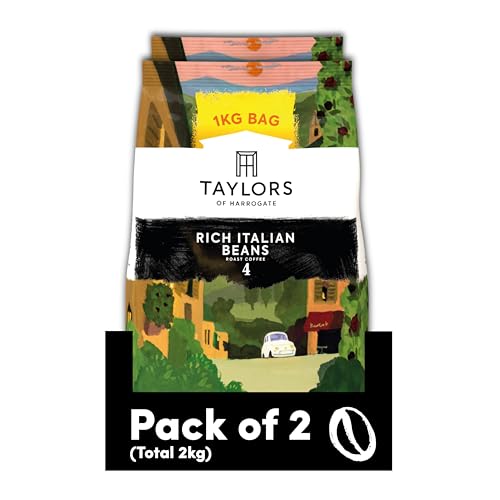
Convenience
When it comes to brewing the perfect cup of coffee, quality of the beans are paramount. The choice of buying whole beans or ground coffee will affect the flavor and aroma of the finished brew. Many coffee enthusiasts find it convenient and economical to buy whole beans in 1kg bags. These bags come in sealed versions that can keep the beans fresh for as long as is feasible. They also help reduce waste from packaging and are therefore an environmentally conscious choice.
If you're an espresso fan or a casual drip brewer, chances are you have a good idea of the amount a kilogram of coffee beans can yield. The calculation of the number of cups is a challenge due to a myriad of factors like the size of the grind, brewing methods, and your personal preferences.
In general beans, a kilo will yield about 100 cups if ground fine for a drip brewer or an Aeropress. French presses can yield around 70 cups. Based on your preferences, you may have to play around with the grind size to determine the ideal brew.
The most significant benefit of purchasing a bag of 1kg of coffee beans is the ability to brew more coffee at once, saving money over time. This is especially important for large families or offices which consume a lot of coffee. In addition, the larger quantities of beans will allow you to brew your favourite brew for longer without running out.
The convenience of 1kg coffee beans is not only for the home brewer but also a great option for restaurants, cafes and cafeterias. In bulk purchases, you're not only cheaper than smaller purchases, but it helps to reduce the waste of packaging by reducing the amount of plastic and paper used to package each batch. Additionally bags that can be resealed protect the coffee from oxygen and moisture which can prolong its life and ensuring that it tastes fresh. Buying this kind of coffee in bulk reduces the amount of waste created by coffee grounds, which can then be composted or used to grow plants.
Variety
You might have stumbled across this page when you searched for "best 1kg of coffee beans" on Google, or you might be interested in the options available. Whatever the reason, you're in right place. A good 1kg bag of coffee beans should be able to provide approximately 100 cups of coffee based on your preference and the brewing method.
There are buy 1kg coffee beans of coffee beans. Each has its own flavour profile. One option is to pick one particular origin coffee that has been sourced from a specific region or country, while another option is to select a blend of various beans. Whatever type of coffee you select the quality will depend on the beans.
If you're looking for the most delicious possible flavour, you may consider purchasing a bag of whole coffee beans instead of ground beans. 1 kg coffee beans can last longer than ground beans, which start to lose their flavour after a short time. Moreover, purchasing bags of whole beans will save you money over the long term as it is less expensive than buying pre-ground coffee.
MaxiCoffee is a great option to buy high-quality beans. They offer a variety of single origin and blend beans in 1kg bags. The beans are roast in small batches, which gives the perfect roast and flavor. The beans are organic which means they're free of pesticides.
When selecting the right beans for your recipe, there are numerous aspects to take into consideration. The roasting method and temperature can affect the flavour of coffee beans. It is also essential to take into consideration the size of the bean because smaller beans roast faster than larger ones. The ingredients used in the recipe can also alter the taste of coffee beans. Therefore, it is recommended to test various recipes before settling on a final one.
Quality
The quality of coffee beans is among the primary factors that determine the overall taste of your beverage. Choosing the right beans can transform your drink from a basic drink into a unique experience to be savored. If you purchase coffee beans in kilograms instead of smaller bags, you can find the best quality. You will save money doing this and reduce waste. It is environmentally friendly to buy coffee beans in kilo sizes. It reduces the amount of packaging waste and reduces the amount of coffee grounds that end in the garbage.
When it comes time to make coffee, it is essential to select the highest-quality beans available. The beans you purchase should be fresh and roasted properly to make an oozing cup of smooth, rich, and delicious coffee. You can locate these high-quality beans by purchasing them in bulk from a trusted online coffee shop.
A 1kg bag of coffee beans will provide you with many cups of your favorite morning beverage. However, the number of cups will vary based on your personal preferences and the method of brewing. For instance, espresso needs more beans than drip coffee or French press. The size of your grinder can affect the quantity of cups you can make.
You can pick from blends, single-origin beans or even a bag of 1kg that has a pleasing flavor and aroma. There are also exotic flavors such as fruity, floral and sweet and nutty. Additionally, the beans you purchase need to be grown at higher elevations, which will help to create a more rounded and balanced taste.
When you purchase 1kg of coffee beans, take into consideration the source of the beans and the roasting process. The best beans are sourced from around the world and then roasted to perfection. They are a perfect blend of acidity, sweetness, and body that will please the discerning coffee connoisseur.
The 1kg bag you select for coffee beans must be of a high-quality and free of any additives. Choose brands that are certified organic or Fairtrade. It should also be sourced locally and sustainable. These factors ensure that your coffee is free from pesticides, chemicals and artificial ingredients.